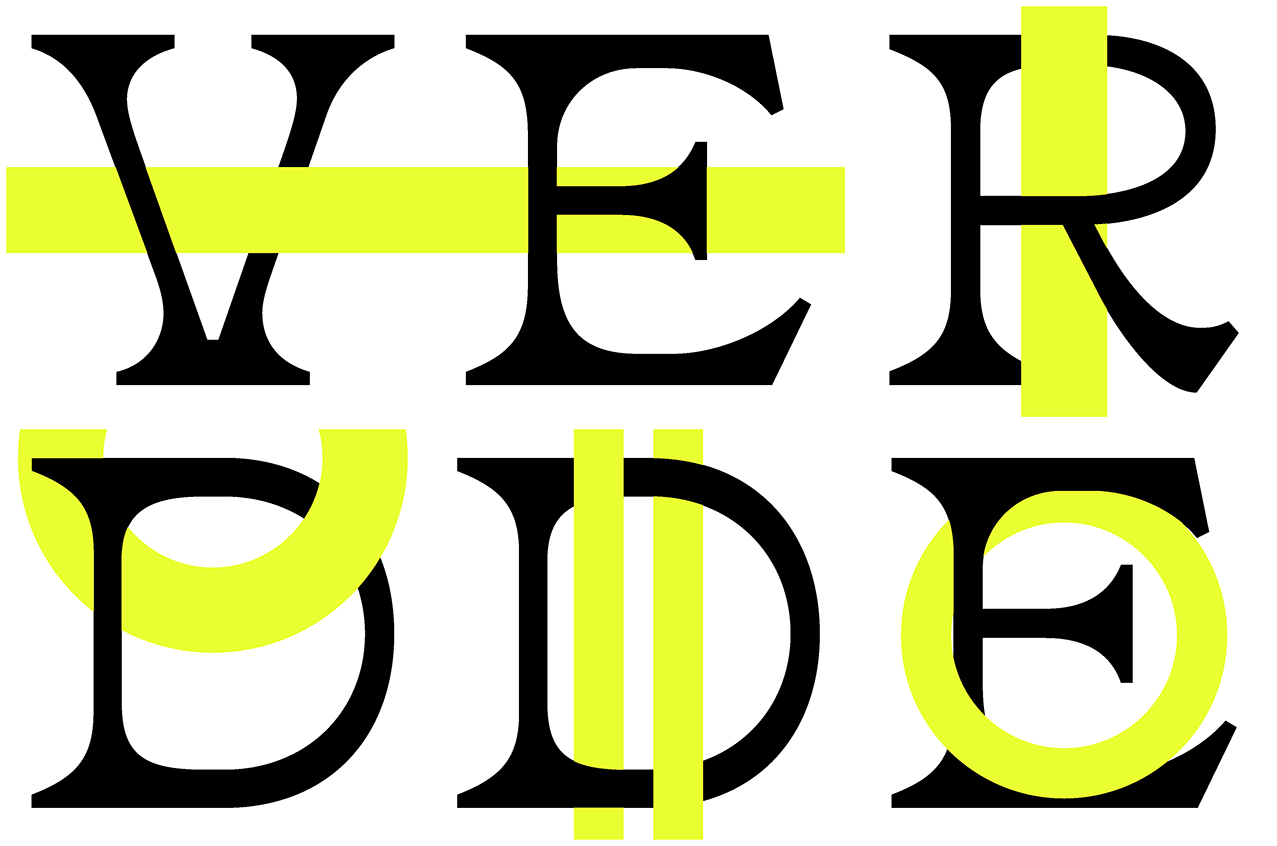
Huksenmálle julggaštus Sámis


This manifesto brings together ideas on how Sámi values, worldviews, and cultural continuity could be reflected in the built environment. The work arises from a need to bring Sámi worldviews into discussions on architecture and urban planning and shift attention away from externally imposed models.
Manifesto team:
Jenni Hakovirta (Sápmi/FIN), Vilja Halonen (Sápmi/FIN), Trine Hansen (Sápmi/NOR), Johanna Minde (Sápmi/SWE), Joar Nango (Sápmi/NOR), Eveliina Sarapää (Sápmi/FIN), Magnus Antaris Tuolja (Sápmi/SWE), Karin Wilstrand (Sápmi/SWE)
The manifesto has been developed through collaboration among Sámi architects with the aim to strengthen Sámi perspectives within discussions on architecture, art, and the built environment. This is the version as of June 2026, when the first edition was published in print. The manifesto is, however, a living document that started to take shape in the autumn of 2025 and will continue to evolve for years coming.
Luondu lea ruoktu
Nature is Home
Humans are only one part of the web of life in Sápmi – trees, rivers, animals, and all elements of nature have the right to exist. Every fell, lake, and forest is someone’s home. The relationship with nature can be viewed through the Sámi notion of: only what is truly needed is taken. An attitude where permission is asked from nature before anything is taken is still important. Sámi people value their homes which are part of nature. A future where there are enough resources for everyone is central to life. Architecture’s impact should not harm nature and Sámi homes. Building projects are therefore evaluated for their impact on biodiversity, their environmental burden, and how they support the integrity of the landscape and the continuity of traditional livelihoods.
Gullevašvuohta ja čanastupmi eanadagas
Belonging and Connection to the Land
Humans do not control the land, but rather they depend on it. When a person feels belonging to a community and a place that supports their life and identity, a sense of reciprocity and care emerges. Sámi connection to the land is also based on the cycle life has in the North. Architecture can either strengthen or sever this connection. The Sámi worldview reminds us that the motive for action is love for the land and its life. In practice this can mean that the proposed architecture is aware of the restrictions and demands climate and landscape have on a building in the North. Architecture should be aware of the passive conditions of the site: orientation, natural light conditions, wind and vegetation and other site specific conditions.
Sámi huksemálle- ja eanadatárbbi geahčču
Care for Sámi Architectural and Landscape Heritage
Sámi way of life has left little traces in the environment which makes traditional Sámi architecture scarce. This doesn’t mean that the tradition is dead. Sámi architectural heritage is largely immaterial and should be treated that way. It’s important to work with the local Sámi communities so that the immaterial architectural heritage will thrive and continue on. Indigenous people are under constant pressure and it is important to care for the heritages connected to land use. The connection between Sámi heritages and land proves the historic existence of Sámi and is of utmost importance.
Bassebáikkit, kulturárbi ja plánejeaddji gelbbolašvuohta
Sacred Sites, Cultural Heritage, and Planner Competence
No part of Sápmi is empty wilderness, but a living cultural landscape. All landscapes in Sápmi are shaped through the traditional Sámi livelihoods and lifestyles. Therefore, intrusive construction should avoid areas that support the traditional Sámi livelihoods like reindeer herding, hunting or fishing. Architecture should not interfere with sacred Sámi sites. Before the planning or design process starts, an assessment of the area’s cultural, landscape and traditional livelihood values is always carried out by the architect in co-operation with the Sámi community. Architects are required to have sufficient understanding of the place, local Sámi culture and its distinctive characteristics. This can involve external assistance from knowledge bearers and/or Sámi architects.
Dálkkádatrievdan ja Árktalaš
Climate Change and the Arctic
The Sámi home area, Sápmi, is situated in the sub-Arctic and Arctic area where biodiversity loss and land-use changes have devastating effects – once a habitat disappears – it is not easily recovered. Construction in Sápmi takes place in an environment where in the last 40 years climate change has advanced four times faster than elsewhere in the world. Architecture in Sápmi must adapt to rapidly changing weather, snow, ice and heat conditions and help communities navigate uncertainty. Architectural impact should be evaluated based on longer time trajectories, thinking not just the current generations but also the generations to come.
Eallima čábbodat
The Beauty of Living
Eallit čábbát means “living beautifully” in Sámi – the idea that a good life emerges from reciprocity, balance, and care for all existence. In Sámi thinking, beauty is not a separate aesthetic quality, but a way of being. Duodji is a Sámi way of making, living, and understanding the world. It does not refer merely to handicrafts, but to a holistic relationship with materials, nature, community, and continuity across generations. Only something that truly serves its purpose can be genuinely beautiful. The philosophy of duodji also applies to architecture. More than hundred-year lifespan in duodji is a meaningful benchmark for architecture as well: buildings are not disposable objects, but part of the cycle of materials, memory, and life. They should adapt over time and serve multiple generations. The chosen materials can eventually decay naturally because they originate from the earth.
Ávdnasiid eallin
The Life of Materials
Construction relies primarily on local materials where circulation, reuse, and the continuous life of materials are guiding principles. Materials are not just passive raw matter but their value is shaped by nature, the maker, and the user. Every material has its own life-cycle where the architect should know where the material comes from, whose land was it taken from, how it is used, and where it will end up after the building is demolished so that there is minimal damage to the environment. Architecture draws on the Sámi tradition by using nearby resources – for instance in architecture this can mean repurposing empty buildings or unused structures. Solutions always arise from local conditions, resourcefulness, and the opportunities offered by the environment.
Skálá ja heiveheapmi eanadahkii
Scale and Fitting into the Landscape
Sámi building traditions are rooted in necessity, adaptability, and the wise use of resources. The scale of construction must adapt to the landscape, the size of the village, and the number of inhabitants. Large building complexes are to be avoided; instead, projects can be realized through several smaller units. This approach blends naturally into the landscape, supports the use of local materials, and enables the participation of local craftspeople and businesses. Building through smaller units also allows projects to change and grow gradually over time, enabling more flexible forms of ownership, stewarship, and financing. Small-scale, locally sourced, and culturally rooted construction strengthens community identity and intergenerational continuity. Architecture should understand its context.
Iešmearrideapmi ja kultuvrralaš bissovašvuohta
Self-Determination and Cultural Continuity
Sámi people have the right to see their cultural knowledge, histories, and relationships with land recognised as valuable contributions to contemporary architecture and urban planning in Sápmi. Across Sápmi, planning processes should be grounded in dialogue and long-term collaboration with Sámi communities, Sámi institutions, local knowledge holders, architects, and cultural actors. Architecture and urban planning can help make Sámi worldviews, values, and cultural continuity more visible within the built environment, while strengthening connections between people, place, culture, and ecology. Planning and construction must strengthen what they contribute to local communities, ecological balance, and the long-term vitality of Sápmi.
Gielat, kultuvrrat ja symbolihkat
Languages, Cultures, and Symbolisms
Architecture reflects culture. To make sure architectural expression reflects the Sámi culture through its symbolism, art and aesthetics, the local Sámi community alongside Sámi architects, artists or other building professionals is to be consulted. The local Sámi community in this instance means that the architect should have an understanding of who and where they are working with since there are many different Sámi communities and cultures. Consultation needs to happen early on in the project and it should be carried out through the whole process. Engaging with visual Sámi symbols and aesthetics should be done with utmost respect and by making sure the project involves a person with in-depth Sámi knowledge about the visual Sámi symbols and aesthetics. Sámi languages are to be used in buildings and signs. Architecture avoids exoticizing culture and applying simplified or irrelevant external symbols into the building design.
Proseassa lea seamma mávssolaš go boađus
Process is as Important as the Result
The value of Architecture lies not only in its finished form but also in how it is made. Sámi society is multi-faceted and every project should understand the specific local situation through community involvement. Sámi architecture is not just about what the architect wants, but also about the needs, knowledge, and aspirations of the community, and it should be made sure that the design process has enough time for the community to be involved. Sámi youth and communities should be given opportunities to participate, for example through architecture and planning workshops. The design process should be as meaningful to the community as the end result, thus leaving a mark not only on the built spaces but also on the people who take part in creating them. This can be achieved through workshops, talking circles, and by listening to people throughout the process. There are also many Sámi professionals that in addition to the local Sámi communities can be consulted.
Lohpádus boahttevaš buolvvaide
A Promise to Future Generations
Decision-making always considers past, present and future generations. Every solution is valued by its respect for the past, quality of present-day life and effects of the lives of the future generations and how it safeguards cultural continuity. This principle brings a long-term and responsible perspective to building. Every project and building in Sápmi is part of shaping the future and repairing the past. The goal of architecture is to feel safe so that Sámi culture can continue and thrive. Every building is a promise: we need to remember that we are building an environment for future Sámi children and the architecture and environment should reflect the Sámi culture and feel like home to them.
_
The manifesto headlines in Northern Sámi are translated by Ellen B. Dalbakk.